South Florida housing inventory is shrinking. Explore what changing market conditions mean for Miami buyers, sellers, and negotiating opportunities.
Is the Window of Opportunity Starting to Narrow for South Florida Buyers?
South Florida Real Estate Market Update | October 2026
For much of 2026, South Florida buyers have enjoyed greater negotiating power, with more listings, motivated sellers, and opportunities to negotiate.
But the latest market data suggests the landscape may be shifting.
Inventory is declining across key segments of Miami-Dade, while luxury real estate continues to demonstrate resilience.
Does this mean buyers should rush before prices rise? Not necessarily.
But it raises an important question:
Could today's negotiating opportunities look different heading into 2027?
South Florida Inventory Is Shrinking
According to September 2026 data from MIAMI REALTORS®:
- Single-family home inventory declined 16.6% year over year in Miami-Dade.
- Condominium inventory decreased 7.2%.
- Single-family homes had approximately 5.1 months of supply.
- Condominiums had approximately 12.3 months of supply.
Although inventory is declining in both categories, the markets remain fundamentally different.
Single-family homes face tighter supply, while condominiums continue offering buyers more choices and potentially greater negotiating leverage.
South Florida isn't moving in one direction. Different property segments are moving at different speeds.
Single-Family Homes: Could Competition Increase?
Desirable neighborhoods such as Coral Gables, Coconut Grove, Miami Beach, and waterfront communities continue attracting buyers seeking privacy, lifestyle, and long-term value.
With fewer homes available, competitively priced properties may attract stronger interest.
However, declining inventory doesn't automatically mean rising prices.
Demand, property condition, seller motivation, and comparable sales remain essential.
The opportunity is identifying properties where pricing and seller expectations haven't fully adjusted to market conditions.
Condominiums: Negotiating Opportunities Remain
With approximately 12.3 months of supply, Miami-Dade's condominium market continues offering buyers meaningful choices.
But not every condo represents the same opportunity.
Before purchasing, buyers should carefully evaluate:
- HOA fees and special assessments
- Reserve funding and structural requirements
- Insurance and association finances
- Financing eligibility and resale potential
Two similarly priced condos can have dramatically different ownership costs and financial risks.
Choosing the right building can be just as important as negotiating the right price.
Luxury Real Estate Is Telling a Different Story
Miami-Dade established a record for sales of properties priced above $30 million during the first nine months of 2026, according to MIAMI REALTORS®.
Luxury buyers often prioritize factors beyond mortgage rates, including waterfront access, privacy, lifestyle, international investment, and long-term wealth considerations.
In neighborhoods such as the Venetian Islands, Miami Beach, and Coconut Grove, truly exceptional properties may face limited direct competition.
Scarcity creates value when a property offers characteristics that cannot easily be replicated.
Still, buyers must distinguish genuine scarcity from unrealistic pricing.
Why the Window of Opportunity May Be Changing
Real estate markets rarely shift overnight.
Changes typically emerge through inventory, buyer activity, seller expectations, and negotiating behavior.
As inventory declines, buyers may encounter fewer comparable properties. If demand strengthens simultaneously, negotiating conditions could become more competitive.
But South Florida isn't necessarily at that point across every segment.
Today's opportunities may not look identical six months from now.
That's not a reason to rush. It's a reason to understand the market before making a decision.
What Should Buyers Negotiate Today?
Successful negotiations involve more than reducing the asking price.
Depending on the property and seller's circumstances, opportunities may include:
- Purchase price: Negotiating based on comparable sales and market conditions.
- Seller concessions: Contributions toward eligible closing costs or financing expenses.
- Repairs: Addressing inspection findings through repairs or credits.
- Closing flexibility: Structuring timelines that benefit both parties.
- Condo assessments: Clarifying responsibility for existing or upcoming expenses.
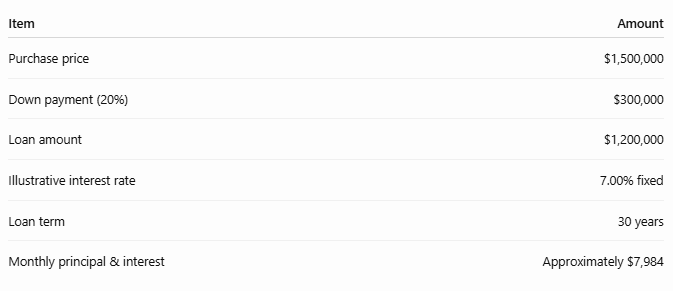
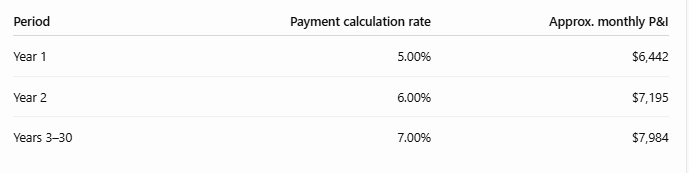
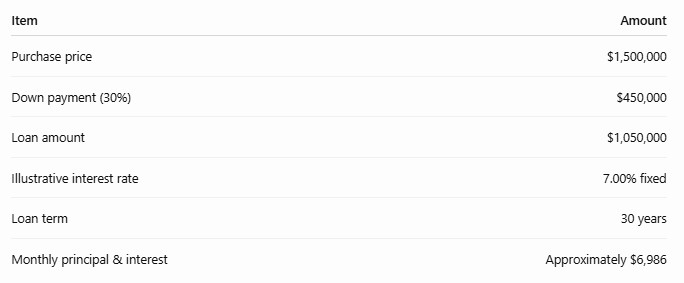
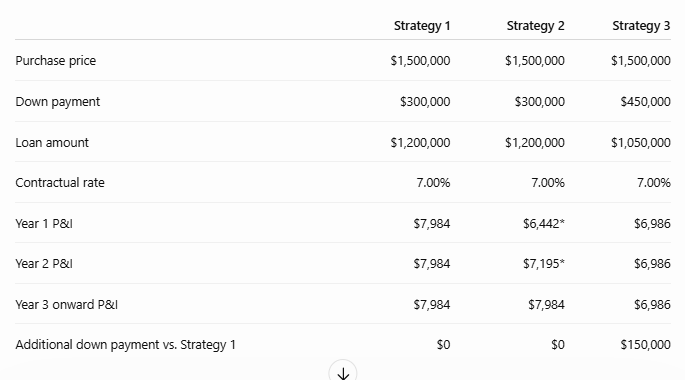
- Financing: Exploring down payment strategies and eligible seller-funded rate buydowns.
Sometimes the strongest opportunity isn't the property with the largest price reduction.
It's the property where the seller's circumstances allow a better-structured transaction.
The Asking Price Is Only Part of the Equation
Two similarly priced properties can have very different ownership costs.
Insurance, property taxes, HOA fees, assessments, maintenance, and financing all affect affordability.
That's why buyers should evaluate:
Purchase Price + Financing + Taxes + Insurance + HOA + Assessments + Maintenance
The objective isn't simply finding the lowest price.
It's understanding what the property will actually cost to own.
Should Buyers Wait Until 2027?
Some buyers are waiting for lower mortgage rates, additional price reductions, or greater economic certainty.
But waiting introduces uncertainty of its own.
Rates may change. Inventory may tighten. Prices may respond differently across neighborhoods, and desirable properties may sell.
Rather than trying to predict the market's exact bottom, consider:
- Is the property appropriately priced?
- What negotiating leverage exists?
- Does the financing make sense?
- Are long-term ownership costs manageable?
- Does the purchase support your financial and lifestyle goals?
The objective isn't perfect market timing. It's making an informed purchase.
What Does This Mean for Sellers?
Declining inventory may reduce competition among listings, potentially benefiting well-positioned properties.
However, buyers remain selective and sensitive to ownership costs.
Sellers should evaluate comparable sales, competing inventory, days on market, and buyer negotiating behavior before establishing a listing strategy.
Accurate pricing, professional presentation, and effective marketing remain essential—regardless of broader market trends.
Chris's Market Perspective
After more than 25 years working across real estate and mortgage financing, one principle continues to guide my approach:
Real estate opportunity is property-specific.
Market headlines provide context, but they don't determine whether an individual property is a good purchase.
I evaluate comparable sales, inventory, property condition, seller motivation, financing, and ownership costs together.
Some properties still offer substantial negotiating leverage. Others may require a more decisive strategy.
And sometimes, waiting is the smartest decision.
The goal isn't to create urgency. It's to recognize genuine opportunity when it exists.
What Should We Watch Heading Into 2027?
Several indicators will help determine whether South Florida becomes more competitive:
- Inventory: Will available properties continue declining?
- Buyer demand: Are pending sales increasing?
- Days on market: Are homes selling faster?
- Negotiating discounts: Are buyers securing fewer concessions?
- Mortgage rates: Will financing conditions improve?
- Condo fundamentals: How will reserves, assessments, and insurance affect demand?
- Luxury activity: Will high-end demand remain resilient?
These indicators matter more collectively than any single headline.
Final Thoughts: Is the Window Really Narrowing?
Miami-Dade's inventory is declining, and luxury real estate continues demonstrating strength.
But that doesn't mean every property is becoming more competitive or that a broad seller's market has returned.
South Florida remains a market of distinct opportunities, risks, and negotiating conditions.
For buyers, the advantage lies in identifying where leverage still exists.
For sellers, it's understanding how to position a property effectively.
The window of opportunity may be changing. The question is whether you know where to look.
Considering Buying or Selling in South Florida?
Whether you're evaluating a waterfront residence, luxury condominium, single-family home, or investment property, I can help you look beyond the headlines.
Send me the property address or MLS number.
I'll help evaluate its market value, comparable sales, negotiating opportunities, financing options, and estimated ownership costs.
Let's identify the right opportunity—and the right strategy.
Chris Pessy
Global Real Estate Advisor, CIPS®
Compass | The Chad Carroll Group
Mortgage Executive | United American Mortgage
Source: MIAMI REALTORS®, September 2026 housing market reports, released October 2026. Market conditions vary by neighborhood, property type, and price range. Historical trends do not guarantee future results.