Discover the hidden costs of buying a home beyond the mortgage, from taxes and insurance to HOA fees, maintenance, closing costs, and more.
The Hidden Costs of Buying a Home: What Buyers Should Budget for Beyond the Mortgage
When most buyers determine how much home they can afford, they focus on two numbers:
The purchase price and the mortgage payment.
Both matter—but neither tells the complete story.
The true cost of homeownership includes expenses that may not be obvious when you're scrolling through listings or comparing mortgage payments. Property taxes, insurance, HOA expenses, maintenance, closing costs, and even the characteristics of the property itself can materially change what a home actually costs to own.
Understanding these expenses isn't a reason to be discouraged about buying.
It's how you buy with a better plan.
1. Property Taxes: Don't Rely on What the Seller Pays
The property tax amount shown on a listing may not necessarily represent what you'll pay after purchasing the home.
Depending on the jurisdiction, ownership changes, reassessments, exemptions, and the purchase price itself can affect future property taxes.
This means two similarly priced homes could potentially carry different tax obligations.
Before making an offer, estimate property taxes based on your expected ownership situation, rather than simply using the seller's current tax bill.
2. Homeowners Insurance Can Change the Equation
Insurance is another expense buyers sometimes underestimate.
Premiums can vary significantly based on location, property characteristics, coverage, deductibles, claims history, and other risk factors.
For certain properties, insurance availability itself can also become an important part of due diligence.
This matters for more than your monthly budget. When financing a property, homeowners insurance generally becomes part of the overall housing expense used when evaluating affordability.
A home that looks affordable before insurance may look different once the complete payment is calculated.
3. HOA Dues—and the Costs Behind Them
For condo and HOA properties, buyers naturally look at the monthly association fee.
But the monthly payment isn't the only number that matters.
Buyers should also understand factors such as:
- What the HOA fee covers
- Reserve funding
- Current or anticipated special assessments
- Association insurance
- Major upcoming projects
- The overall financial condition of the association
A lower HOA payment isn't automatically better if the association has significant deferred maintenance or future capital needs.
Likewise, a higher HOA may include expenses you would otherwise pay separately.
The objective is to understand what you're receiving—and what financial obligations may be ahead.
4. Closing Costs and Prepaids
Your down payment isn't the only cash you'll need to close.
Depending on the transaction and financing, buyers may also encounter expenses including:
- Lender and appraisal fees
- Title and settlement costs
- Prepaid interest
- Homeowners insurance
- Property tax and insurance escrow funding
- HOA-related charges
- Other transaction-specific expenses
These costs should be estimated early in the process.
Knowing the expected cash-to-close, rather than focusing exclusively on the down payment, helps buyers preserve appropriate liquidity after the purchase.
5. Maintenance and Repairs
Owning a home means eventually maintaining it.
Roofs age. HVAC systems need service. Appliances fail. Plumbing requires attention. Exterior surfaces need maintenance.
The exact costs vary considerably by property.
A newer condominium may have very different maintenance considerations from an older single-family home with a roof, landscaping, pool, and multiple mechanical systems.
This is why inspections and due diligence aren't simply about deciding whether to buy.
They can also help you understand what you may need to budget for after closing.
6. Financing Costs Matter Too
Two buyers purchasing the same property at the same price can have very different financial outcomes.
Why?
Their financing may be different.
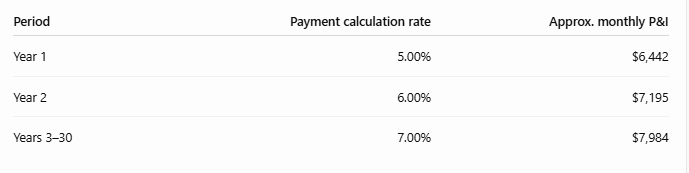
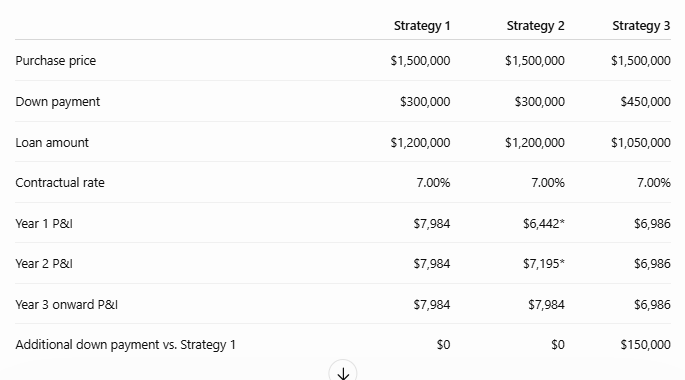
Down payment, mortgage rate, loan structure, mortgage insurance, discount points, closing costs, and available seller concessions can all influence both the upfront and long-term cost of the purchase.
This is why comparing homes without considering the financing structure can provide an incomplete picture.
The property and the financing should be evaluated together.
7. The Cost of Using Your Cash
Here's a cost buyers often don't consider at all:
What else could your cash be doing?
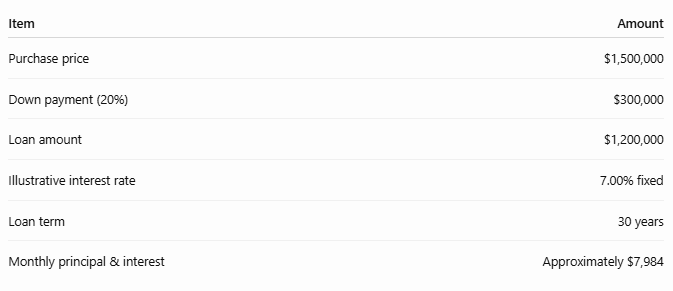
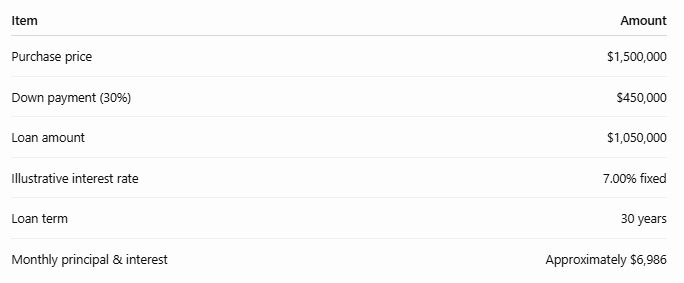
Putting more money down may reduce the mortgage balance and potentially lower the monthly payment.
But it also reduces your liquidity.
That money could otherwise remain available for reserves, renovations, investments, emergencies, or future opportunities.
There isn't one correct down payment for every buyer.
The better question is:
How much cash should I put into this property while still maintaining the liquidity that supports my broader financial goals?
That's a strategic decision—not simply a mortgage calculation.
8. The Property Itself Can Affect Your Financing
This is one of the most overlooked hidden costs.
Not every property qualifies for financing in the same way.
For example, with condominium purchases, factors involving the association's financial condition, insurance, reserves, litigation, property condition, or project eligibility can potentially influence financing options.
Certain property characteristics may result in different:
- Loan programs
- Down payment requirements
- Interest rates or pricing
- Documentation requirements
- Reserve requirements
In other words:
You don't just qualify for the mortgage. The property may need to qualify too.
This is one reason I believe financing strategy should begin before—or at least alongside—the property search.
The Less Expensive Home Isn't Always the Less Expensive Choice
Consider two hypothetical properties:
Home A — $950,000
It has the lower purchase price, but also:
- Higher insurance costs
- Upcoming repairs
- Potential HOA assessments
- Greater immediate maintenance needs
Home B — $975,000
The asking price is $25,000 higher, but it has:
- Lower ongoing expenses
- Stronger HOA financials
- Fewer anticipated repairs
- Lower immediate capital needs
Which one is actually more affordable?
You can't answer that question from the listing price alone.
That's why sophisticated buyers compare the total economics of ownership, not simply the amount written on the purchase contract.
Calculate the True Monthly Cost
Before making an offer, I recommend looking beyond principal and interest and building a more complete estimate.
Consider:
Mortgage principal + interest
+ Property taxes
+ Homeowners insurance
+ HOA dues, if applicable
+ Mortgage insurance, if applicable
+ Reasonable maintenance/reserve budget
= A more realistic cost of ownership
Then consider the upfront side:
Down payment + closing costs + prepaids + immediate repairs/improvements + appropriate post-closing reserves.
Now you're evaluating the property from a much more informed position.
💡 Chris's Market Perspective
One of the biggest mistakes buyers can make isn't necessarily buying too much house.
It's calculating affordability with incomplete numbers.
As a Compass Real Estate Advisor with extensive mortgage expertise, I look at both sides of a purchase: the property itself and the financial structure behind it.
Taxes, insurance, HOA financials, property condition, financing, and liquidity can all change whether a particular home makes sense.
The objective isn't simply to determine:
“Can I buy this home?”
It's to answer a better question:
“Does owning this home make sense for my financial goals?”
Because the right property at the wrong financial structure may not be the right purchase.
The Bottom Line
There will always be costs associated with homeownership.
Knowing about them shouldn't make buying a home feel more complicated.
It should make the decision clearer.
When you understand the complete financial picture before making an offer, you can compare properties more accurately, maintain appropriate reserves, structure your financing strategically, and enter homeownership with fewer surprises.
The purchase price tells you what it costs to buy the home.
Understanding everything else tells you what it costs to own it.
And that's the number buyers should understand before making one of their largest financial decisions.
Thinking About Buying?
Before you focus exclusively on the asking price or mortgage rate, let's look at the complete picture.
I can help you evaluate the property, estimated monthly ownership costs, cash-to-close, financing structure, and potential expenses so you can make an informed decision before writing an offer.
The goal isn't simply to qualify for a home. It's to buy one that works for you financially—today and for the years ahead.
This content is for educational purposes only. Mortgage programs, property taxes, insurance, HOA expenses, closing costs, and eligibility vary based on the borrower, property, location, loan program, and transaction.